
Contents
Introduction
Have you ever tried to mount a new red dot sight on your favorite pistol, only to find it doesn’t fit? It can be a frustrating experience. The mounting pattern, or “footprint,” is a crucial detail that many people overlook. One of the most common patterns you’ll hear about is the Vortex Venom footprint. It’s a popular choice for a reason, used not just by Vortex but by many other brands too.
This guide will explain everything you need to know about the Vortex Venom footprint. We will talk about what it is, why it’s so popular, and which other sights use the same pattern. Think of this as your friendly roadmap to understanding red dot compatibility. By the end, you’ll be able to confidently choose the right red dot sight and mounting plate for your firearm. We’ll make sure you understand the small details that make a big difference, so you can avoid the headache of mismatched parts and get back to what you love most shooting.
We will break down the technical parts into simple, easy-to-understand language. We’ll even share some personal tips and experiences to show you how this knowledge works in the real world. Whether you’re a seasoned pro or just getting started with red dot optics, this guide will give you the confidence you need. Let’s dive in and demystify the world of red dot footprints together, starting with the very popular Vortex Venom footprint. This will help you make smarter choices for your gear.
What Exactly is a Red Dot Footprint?
Before we get deep into the Vortex Venom footprint, let’s start with the basics. What is a red dot “footprint”? Imagine you’re standing in wet sand. When you step away, you leave behind an impression of your shoe. A red dot footprint is very similar. It’s the specific shape of the bottom of the red dot sight. This shape includes the placement of screw holes and recoil lugs. Recoil lugs are small posts or slots that help the sight handle the kick from the gun when you fire it. They keep the sight from shifting around, which is very important for staying accurate.
Every red dot sight has a unique footprint. Think of it like a key and a lock. The sight is the key, and the mounting plate or the cut in your pistol’s slide is the lock. They have to match perfectly for the sight to be mounted securely. If the footprint doesn’t match, you simply can’t attach the sight to your gun correctly. This is why understanding footprints is so important. It prevents you from buying a sight that you can’t even use with your firearm. The industry has several common footprints, and the Vortex Venom footprint is one of the most widespread.
The Vortex Venom Footprint Explained
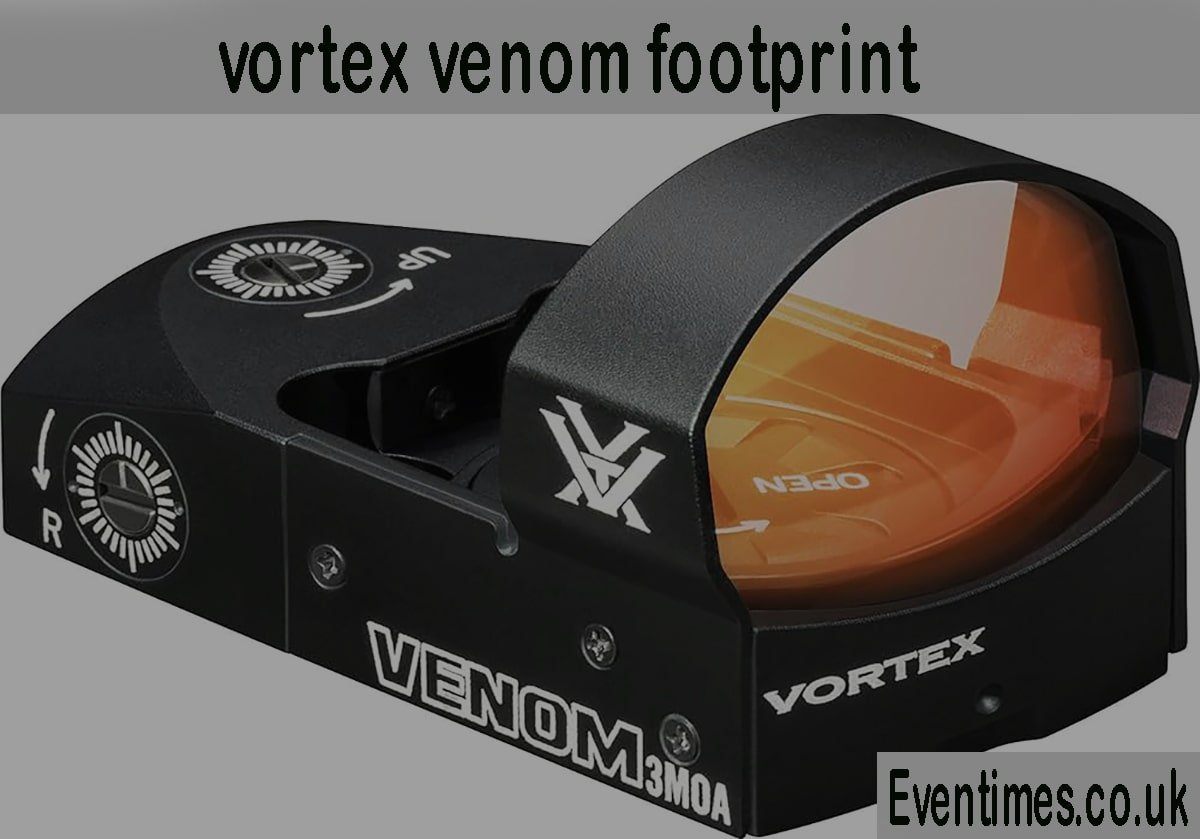
Now, let’s focus on the star of the show: the Vortex Venom footprint. This specific mounting pattern was made popular by the Vortex Venom red dot sight. It has a very distinct layout. It uses two holes for screws to hold the sight down. It also has two sockets for recoil lugs at the front of the sight. These lugs fit into posts on the mounting plate, providing a very strong and stable connection. This design is excellent at preventing the sight from moving, even under the heavy recoil of powerful handguns.
The Vortex Venom footprint is considered a “mini red dot” or “micro red dot” standard. This means it’s designed for smaller, more compact sights that are perfect for handguns. Its combination of secure screw placement and strong recoil lugs has made it a favorite among many shooters and manufacturers. When a company decides to use this pattern, they are choosing a design that is known for its reliability. It’s a proven system that holds up well to the abuse of regular shooting. That is why so many other brands have adopted the Vortex Venom footprint for their own red dot sights.
Why is the Docter/Noblex Footprint Important?
You might hear another name mentioned alongside the Vortex Venom footprint: the Docter/Noblex footprint. It’s important to understand the connection between these two. The Docter/Noblex footprint is actually the original design that the Vortex Venom footprint is based on. It was one of the first micro red dot footprints to become popular in Europe, created by the German company Docter (later renamed Noblex). It features the same two-screw and two-socket layout. For all practical purposes, the Vortex Venom footprint and the Docter/Noblex footprint are identical.
This is great news for shooters. It means that any sight designed for the Docter/Noblex footprint will also fit on a mount made for the Vortex Venom footprint, and vice versa. This cross-compatibility greatly expands your options. You’re not just limited to Vortex sights. You can choose from a wide range of optics from different manufacturers that all share this common pattern. This has helped make it one of the most universal standards on the market. When you see a product advertised as having a Docter/Noblex pattern, you can be sure it will work with your Vortex Venom-ready mount.
Which Sights Use the Vortex Venom Footprint?
One of the biggest advantages of a popular standard like the Vortex Venom footprint is the huge number of compatible sights. You have a ton of choices! Of course, the primary sights are from Vortex itself, like the popular Vortex Venom and the Vortex Viper. The Viper is slightly different because it doesn’t have the sockets for the front recoil lugs, but it still uses the same screw pattern and can often fit on the same mounts. However, the list doesn’t stop there. Many other respected brands have adopted this footprint for their own optics.
For example, Burris is a major company that uses this pattern for its FastFire series, including the FastFire 2, FastFire 3, and FastFire 4. These are very popular sights known for their durability and value. Other brands like Sightmark, ADE Advanced Optics, and UTG also produce red dots with the Vortex Venom footprint. This variety is fantastic for consumers. It means you can find a compatible sight at almost any price point, from budget-friendly options to high-end, feature-rich models. Having so many choices makes it easier to find the perfect red dot for your needs and budget without worrying about compatibility.
How Do I Mount a Sight with This Footprint?
So, you’ve chosen a red dot sight with a Vortex Venom footprint. Now, how do you get it on your gun? You have a few options, depending on your firearm. The first and most common method for handguns is using a mounting plate. Many modern pistols are sold as “optics-ready.” This means the slide is already cut to accept a mounting plate. The gun manufacturer usually includes a set of plates with the pistol. You just need to find the plate that is designed for the Vortex Venom footprint, screw it onto the slide, and then attach your red dot sight to the plate.
Another option is to have your pistol’s slide custom-milled. This is where a gunsmith cuts the slide to match the red dot’s footprint directly. This method allows the sight to sit lower on the slide, which many shooters prefer. A lower sight makes it easier to co-witness with your iron sights. Co-witnessing means you can see your iron sights through the red dot’s window, which is great as a backup. While custom milling is more expensive, it provides a very clean and integrated look. For rifles and shotguns, it’s even simpler. You can usually find a Picatinny rail mount designed specifically for the Vortex Venom footprint that will attach your sight easily.
The Difference Between Venom and Viper Footprints
It’s easy to get the Vortex Venom and Vortex Viper mixed up, but they have a small but important difference in their footprints. Both sights share the exact same screw hole pattern. They also have the same overall length and width. This is why they are often grouped together. However, the key difference is the recoil lugs. The Vortex Venom has two sockets at the front of its base to accept recoil posts from a mounting plate. The Vortex Viper does not have these sockets. It has a completely flat bottom.
What does this mean for you? If you have a mount with recoil posts designed for a Venom, a Viper sight will not sit flat on it. You would need to either use a different plate or, in some cases, file down the posts on the mount (which we don’t usually recommend). However, if you have a flat mounting plate with no posts, both the Venom and the Viper will fit perfectly. The screws will line up. The Venom just won’t have the extra support from the recoil lugs. Many optics-ready pistols come with plates that support the Vortex Venom footprint, complete with recoil posts, so it’s something to be aware of when choosing your sight.
Mounting Plates: Your Key to Compatibility
Mounting plates are the unsung heroes of the red dot world. These small pieces of metal are what bridge the gap between your firearm and your optic. For optics-ready handguns, a good set of mounting plates is essential. When you buy an optics-ready pistol from brands like Glock (MOS), Smith & Wesson (CORE), or Canik (TP9 series), they typically come with several polymer or metal plates. Your job is to look through the manual and find the one that is labeled for the Docter/Noblex or Vortex Venom footprint. It should have the right screw holes and recoil posts to perfectly match your sight.
If your pistol didn’t come with the right plate, or if you lose it, don’t worry. There are many aftermarket companies that make high-quality mounting plates. Companies like C&H Precision and Outerimpact specialize in creating durable metal plates for almost any gun and optic combination. Upgrading to a metal plate from a factory polymer one can also be a good idea for extra durability. These plates ensure a rock-solid connection, which is vital for maintaining your zero. A loose sight is an inaccurate sight, so investing in a quality mount is always money well spent.
Is the Vortex Venom Footprint the Best Choice?
With so many different footprints out there, like the Trijicon RMR and the Leupold DeltaPoint Pro, is the Vortex Venom footprint the right one for you? The answer depends on your needs and preferences. One of the biggest strengths of the Vortex Venom footprint is the incredible variety of sights available. Because it’s an open standard used by many companies, you can find a compatible optic for any budget. This makes it a very accessible and versatile option, especially for new red dot users.
The design itself is also very solid. The combination of two screws and two recoil lugs provides a stable platform that holds up well to recoil. However, some argue that other footprints, like the Trijicon RMR with its patented curved shape, offer even greater durability for extreme, duty-level use. The RMR’s design helps distribute impact forces more effectively if the optic is dropped. But for the vast majority of shooters, including competitors and concealed carriers, the Vortex Venom footprint offers more than enough strength and reliability. The choice often comes down to the specific features, price, and brand loyalty you have.
Troubleshooting Common Mounting Issues
Even with the right parts, you can sometimes run into issues when mounting your red dot. One of the most common problems is using the wrong screws. Red dot sights and mounting plates often come with several sets of screws of different lengths. Using a screw that is too long can bottom out in the slide, preventing the sight from tightening down. It can even damage your firearm. A screw that is too short won’t have enough thread engagement to hold the sight securely. Always check the manual and use the exact screws recommended for your gun and sight combination.
Another tip is to use a torque wrench. Overtightening the screws can strip the threads or damage the optic. Undertightening can cause the sight to come loose. Most manufacturers recommend a specific torque value, usually around 12-15 inch-pounds. Following this recommendation is crucial for a secure and lasting mount. Lastly, always apply a small amount of blue Loctite (threadlocker) to the screw threads before installation. This will prevent the screws from backing out under the vibration of recoil, keeping your sight exactly where you want it. This simple step can save you a lot of future headaches.
The Future of Red Dot Footprints
The world of firearm optics is always changing. As sights get smaller and more durable, new footprints may emerge. We’re already seeing this with super-compact sights like the Shield RMSc and the Holosun K-series, which use their own smaller footprints. These are designed for slimline pistols like the Glock 43X or Sig P365. However, the Vortex Venom footprint is not going away anytime soon. It has become a trusted industry standard with a massive install base. Manufacturers know that if they produce a sight with this footprint, there is already a huge market of compatible firearms and mounts waiting for it.
For this reason, the Vortex Venom footprint will likely remain a popular and relevant choice for many years to come. Its balance of size, strength, and versatility makes it a great option for a wide range of full-size and compact handguns. As a consumer, choosing a widely adopted standard like this is a safe bet. It ensures you will have plenty of options for optics and accessories now and in the future. It protects your investment and gives you the flexibility to upgrade or change your setup without starting from scratch.
Your Next Steps
Understanding the Vortex Venom footprint puts you in a great position to choose the right red dot for your firearm. You now know what the footprint is, which sights use it, and how to mount them correctly. You also understand its relationship with the Docter/Noblex standard, which opens up even more optic choices for you. This knowledge empowers you to build a shooting system that is reliable, accurate, and perfectly suited to your needs.
The next time you’re shopping for a red dot or looking at an optics-ready pistol, you can be confident in your decisions. Check the product specifications for the footprint type. Remember the names of compatible brands like Vortex, Burris, and Sightmark. With this simple knowledge, you’ve taken a big step forward in your journey as a shooter. You’re no longer guessing; you’re making informed choices. That leads to better gear, better performance, and a more enjoyable time at the range.
Frequently Asked Questions (FAQs)
1. Is the Vortex Venom footprint the same as a Trijicon RMR footprint?
No, they are completely different. The Trijicon RMR footprint has a unique curved shape and a different screw and lug pattern. A sight made for one will not fit on a mount made for the other without an adapter plate.
2. Can I mount a Vortex Venom sight on a Glock MOS pistol?
Yes, you can. Glock MOS pistols come with a set of adapter plates. You will need to use the plate labeled “01” (for older sets) or the plate specified in your newer manual for Docter/Noblex/Vortex sights. This plate will allow you to securely mount your Vortex Venom.
3. What is the difference between the Vortex Venom and Vortex Viper red dots?
The main difference is in the footprint. The Venom has sockets for recoil lugs at the front, while the Viper has a flat bottom without these sockets. They share the same screw pattern, but the Viper may not fit on mounts with tall, non-removable recoil posts.
4. Do I need a gunsmith to install a red dot with a Vortex Venom footprint?
Not usually. If you have an “optics-ready” pistol with mounting plates, you can easily install it yourself with basic tools. If your pistol slide is not cut for an optic, then you would need a gunsmith to mill the slide or you could use a rear sight dovetail mount.
5. What are some budget-friendly red dots that use the Vortex Venom footprint?
There are many great budget options. Brands like Sightmark, ADE Advanced Optics, and UTG offer red dot sights with the Vortex Venom footprint at a very affordable price point, making it easy to get started with an optic.
6. Why do some mounts list Docter/Noblex instead of Vortex Venom?
The Docter/Noblex footprint is the original European standard that the Vortex Venom is based on. They are functionally identical. Listing it this way just refers to the original design name, but it means the same thing for compatibility.
