
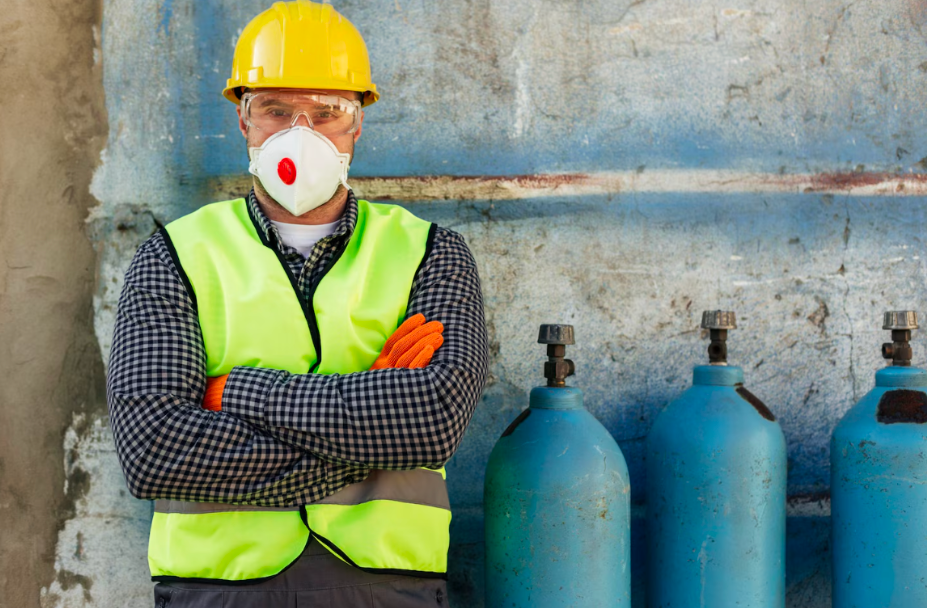
Working with torches and flammable gases is a task that demands knowledge, precision, and respect for safety protocols. Many professionals prepare for these responsibilities with tools like the G60 practice test, which helps assess their understanding of fire safety, equipment use, and emergency response. While exams and certifications provide structure, true safety comes from continuous education, hands-on practice, and skill-building that empower workers to operate confidently and responsibly.
Why Safety Education Matters in Torch and Gas Handling
Torches and flammable gases are essential in industries such as construction, welding, plumbing, and manufacturing. However, improper handling can lead to fires, explosions, or serious injuries. Safety education provides workers with the mindset and skills to:
- Identify hazards before they become risks
- Follow proper storage and usage guidelines
- Use protective equipment effectively
- Respond to emergencies with confidence
Benefits of Safety Education
- Accident Prevention: Reduces workplace injuries and property damage.
- Compliance: Ensures adherence to local safety laws and industry regulations.
- Professional Growth: Builds confidence and credibility in the workforce.
- Lifelong Learning: Encourages continuous skill improvement in evolving industries.
Skill-Building for Torch and Gas Safety
Skill-building is more than just theory—it’s about applying knowledge in real-world contexts. Workers who regularly update their skills are better prepared for both routine tasks and unexpected challenges.
Core Skills for Torch and Gas Handling
- Proper Equipment Operation: Understanding how to ignite, adjust, and shut down torches.
- Gas Cylinder Management: Correct storage, labeling, and transport of flammable gases.
- Leak Detection: Identifying and addressing potential hazards quickly.
- Fire Prevention: Recognizing ignition sources and implementing preventive measures.
- Emergency Response: Knowing how to use fire extinguishers, alarms, and evacuation protocols.
Common Hazards in Torch and Gas Handling
Recognizing risks is a cornerstone of safety. Some of the most common hazards include:
- Gas Leaks: Often caused by faulty connections or damaged hoses.
- Flashbacks: When flames travel back into hoses or cylinders.
- Improper Storage: Storing cylinders in hot or enclosed areas.
- Lack of PPE: Failing to wear gloves, goggles, or flame-resistant clothing.
- Inadequate Training: Workers relying on guesswork instead of structured learning.
Safety Culture in the Workplace
Education and training are most effective when supported by a strong workplace safety culture. Companies play a vital role by:
- Providing ongoing safety workshops
- Investing in high-quality protective equipment
- Encouraging workers to report hazards
- Recognizing and rewarding safe behavior
Building a Strong Safety Culture
- Leadership Commitment: Managers lead by example in following safety protocols.
- Open Communication: Workers feel comfortable raising concerns.
- Continuous Improvement: Policies and procedures are reviewed regularly.
- Team Involvement: Everyone shares responsibility for maintaining safe practices.
The Connection Between Education and Confidence
When workers are well-trained, they are more confident in their abilities. Confidence reduces hesitation, which is crucial in emergencies where quick decisions save lives. Education instills this confidence by:
- Reinforcing correct techniques
- Offering opportunities for practice
- Encouraging problem-solving and adaptability
Overcoming Challenges in Safety Training
Despite the importance of safety education, challenges exist:
- Language Barriers: Training may not always be available in multiple languages.
- Time Constraints: Busy schedules may limit training opportunities.
- Complacency: Experienced workers may underestimate risks.
Solutions to These Challenges
- Accessible Training Materials: Use visual aids, translations, and online resources.
- Flexible Learning Options: Offer short courses, e-learning, or blended formats.
- Regular Refreshers: Keep safety top of mind with ongoing reminders and drills.
The Future of Torch and Gas Safety Education
As technology advances, so does safety training. Virtual reality, online modules, and smart sensors are transforming how workers learn and apply skills.
Emerging Trends
- Virtual Training Simulations: Safe practice environments without real-world risks.
- Wearable Technology: Monitors worker exposure to gases or unsafe conditions.
- Digital Learning Platforms: Access to resources anytime, anywhere.
Practical Safety Tips for Everyday Work
To reinforce the importance of education and skill-building, here are practical tips every worker should remember:
- Always check equipment before use.
- Store cylinders upright in well-ventilated areas.
- Wear PPE consistently and correctly.
- Keep flammable materials away from torches.
- Follow all workplace safety policies.
- Participate in ongoing safety training.
Conclusion
Safety with torches and flammable gases is not just about rules—it’s about education, skill-building, and a commitment to lifelong learning. Tools like the G60 practice test are stepping stones, but true safety is achieved through continuous training, hands-on experience, and a strong workplace safety culture. By investing in education and personal growth, workers not only protect themselves but also contribute to safer, stronger, and more resilient industries.
