
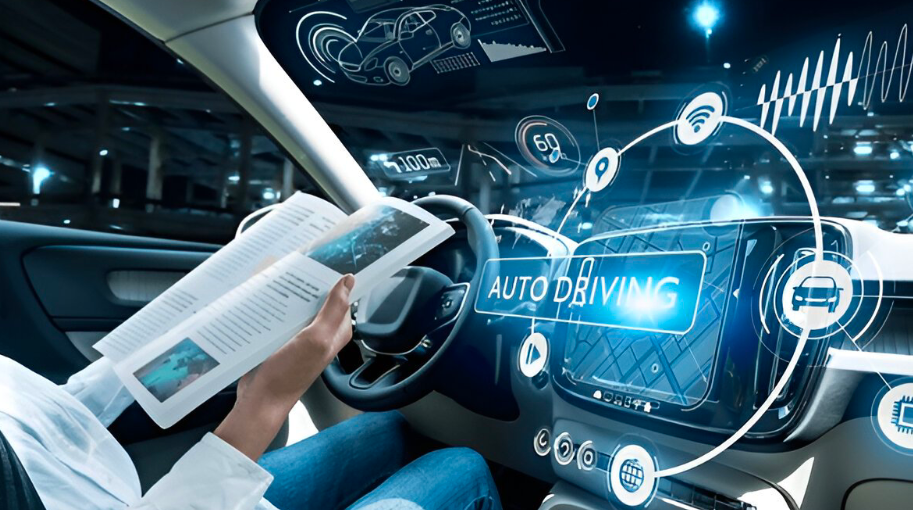
Making the switch into an electric engine (EV) offers a relaxing experience. It’s easy to operate and is surprisingly powerful. The rapid acceleration speed and quiet operation are a long way from gasoline powered engines. To maximize the performance of electric vehicles, it is essential to modify your daily habits of driving. Through analyzing the most essential techniques that can dramatically increase the efficiency of your vehicle, increase the effectiveness and extend the lifespan of its most crucial component, the battery.
This guide will take you through the process of electric and automatic driving. Learn how to maximize the technology inside your vehicle to reduce energy consumption and improve your efficiency, decrease the use of power and maintain the battery in order to last for a long time.
Contents
Master Regenerative Braking: Your Secret Weapon
The first distinction you’ll observe while operating the EV is that the brakes are that are regenerative. In the typical car, pressing the brake pedal generates heat. The energy created by the vehicle’s speed goes away. Regenerative brakes work oppositely. When you brake, the electric motor acts as a generator, converting the energy generated by the vehicle into electrical energy and passing it directly to batteries.
Imagine getting the money you repaid for the effort you invested in accelerating. The ability to make the most on this aspect is essential to increase the impact of the company.
Embrace One-Pedal Driving
The majority join intensive driving course of the most recent EVs include a “one-pedal driving” setting. If this setting is switched on it will apply an extremely strong regenerative brake force right when you take your heels off the accelerator. In many instances, it is enough force to bring your car to a complete stop without having to use your brakes.
It takes a while to find the right timing and mastering the one-pedal drive can help you become an improved driver. You can predict traffic patterns, and then turn off the accelerator off, and then drive without a hitch until you’ve stopped for as long as your battery is charged. This is a great way of drastically reducing the wear of the brake pads, helping you save money to maintain your vehicle in the future.
Anticipate Your Stops
The most vital aspect of the Regenerative brake is to look ahead. Instead of speeding to the red light and then slowing down, you should take off the accelerator prior to. The vehicle’s momentum, along with the Regeneration system, is going to slow down the speed. The gentle deceleration can recapture more energy than an abrupt or abrupt stop.
Drive Smoothly for Maximum Efficiency
Your driving habits can have an immediate and dramatic effect on the battery’s capacity. Speedy and aggressive driving and accelerating quickly, in combination with speedy acceleration and hard brakes, is the best way to deplete your battery. An easy and steady manner of driving will always provide you a greater number of miles from your battery.
The Gentle Touch
The power that is produced immediately from an electrical motor is one of the most fascinating features. However, the process of launching it at intersections with stoplights is extremely energy-intensive. You need to apply an even, steady pressure on the accelerator. Imagine yourself as the pilot of an aircraft pushing the accelerator towards the sky, instead of drag racers pulling it off of the track.
Find Your Cruising Speed
Like a gasoline vehicle, Speed is a stumbling block to efficiency. The power required to overcome wind resistance will rise exponentially with speed. If you’re driving along the road, traveling at 65mph instead increases your speed by 15 percent or more. With the cruise control feature, you can maintain a steady spee,d which is far more effective than constantly adjusting.
Preconditioning: The Key to Comfort and Range
The cabin’s cooling or heating requires a significant amount of battery power, particularly when it is in extreme hot or cold temperatures. This limitation can be overcome by using preconditioning functions.
The majority of EVs will let you leave your vehicle through the infotainment system or through an app on smartphones. If you’re doing this while the automobile is connected to the charging stations, it’ll be able to draw power from the grid. This way that it does now no longer depends totally on batteries for you to warmth or cool the indoors to a favored temperature. This helps you to experience a heated automobile without sacrificing any flexibility in your travel.
If it’s colder than usual, you should be aware of the heated seats along with the steering wheel. These are more efficient in energy than using the main heater to its maximum capacity. Heating your car in the first place will use less energy compared to heating the interior of your vehicle.
Long-Term Battery Health: Best Practices
The high-voltage battery is by far the most costly and crucial component in your vehicle’s electric motor. Its security guarantees you the best performance and longevity for your vehicle.
Avoid Extreme States of Charge
Lithium-ion batteries work best when they’re close to the end of their charge cycle. If you plan to drive for a long duration, it’s recommended to make sure you have the battery at least fully charged. In constant charge at 100% or reducing the battery’s level to a low point could result in an increase of degradation over the course of time.
The majority of EVs permit users to set the maximum amount of charge. It is typical to choose between 80% and 90% for everyday use. It can be charged at late at night, but it will stop charging after a specific amount. It is suggested to charge the battery at 100% when you’re sure you’ll need all the battery capacity for a long trip.
Limit Your Use of DC Fast Charging
DC quick charging has become essential for traveling long distances. However, it produces lots of heat and places a greater stress to batteries compared with slower charging methods. In the day-to-day usage, it’s more comfortable for batteries to utilize the charging station at the office or at home. You can use it as an alternative to trips on the road, though don’t expect to regularly recharge your battery.
Planning for Long Trips
The worry about not being able to charge enough batteries to support long drives, also referred to as “range anxiety,” is the most commonly asked question for brand-new EV owners. With a bit of planning, driving trips can be made simple.
Use the navigation features built into your vehicle or a separate application for planning your journey to an electric vehicle, like the Better Route Planner (ABRP). These apps go beyond giving you directions; they also create your complete charging strategy. They analyze your car’s performance along with the changes in elevation on the road, as well as the status of your charge to ensure you are aware of where you are able to charge and the length of time.
Conclusion: Driving Smarter, Not Harder
The secret in mastering the fine art of EV driving is to work using the power of your car instead of working against it. If you adopt regenerative brakes, employing a more relaxed way of driving, as well as taking several actions to boost the battery’s condition, it will significantly improve the efficiency of the vehicle and prolong its life. These methods will ensure that you are getting the most out of each charge and boost your appreciation of the modern and advanced technology that makes electric driving a unique experience.
