
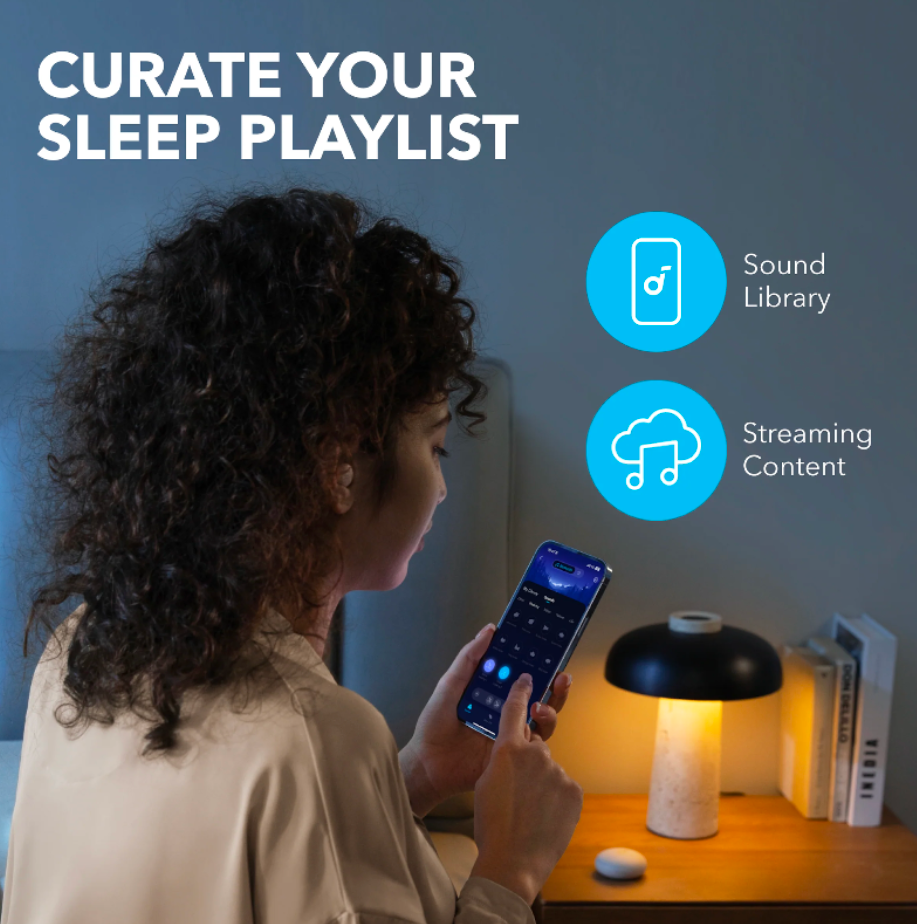
You already know how life-changing the right sleep earbuds are; however, in case you have ever experienced the difficulty of falling asleep due to background noise, your own thoughts, or even a partner’s snoring, the right device becomes essential. Having tried and tested many audio devices, including studio monitors and ultra-light sleep buds, I can say with confidence that finding the best earbuds for sleeping is not a luxury but a way to protect the quality of your night. Sleep influences mood, memory, concentration and even long-term health, which is why whatever you use at night is just as important as what you rely on during the day.
The increasing trend of using comfortable, safe and hardly visible earbuds has compelled manufacturers to come up with earbuds of a specific design that favors individuals who love to sleep with earbuds. This paper goes rampant on what really counts, what my own experimentation has shown, and how you can get yourself in a pair that actually improves your sleep pattern.
Contents
Understanding the Best Earbuds for Sleeping: What Sets Them Apart
The best earbuds for sleeping are not comparable to regular wireless earbuds. Sleep-friendly models must remain comfortable for hours, avoid creating pressure on the ears when lying on your side, and provide just the right level of noise masking without disrupting rest. Most individuals who try to sleep with traditional earbuds quickly discover the pain points of hard plastic casings, protruding edges, limited battery life, or the heat that builds up after extended use.
Specialized earbuds are also designed to have more slimmer profiles, softer silicone, breathable materials and ultra-quiet drivers which provide calming sound without disrupting your sleep. A lot of people like using white noise, rain, ASMR or meditation videos, as they will slowly put your brain into deeper sleep.
In the process of experimenting with earbuds during my own trial period, when I switched between foam-tip, silicone-tip, and flat disc-shaped earbuds, I noticed that the lightest designs always performed the best. This personal experience helped me understand why many of the best earbuds for sleeping are built to be extremely lightweight. As your ears naturally relax while you drift off, thicker earbuds eventually become uncomfortable—even if they feel fine at first
Can You Safely Sleep in Earbuds? A Real-World Perspective
A lot of readers are reluctant to put earbuds on to sleep as they are concerned about their safety. With the help of sleep specialists and trying long-wear designs myself, I discovered that the most significant element is the selection of earbuds designed to sleep. Normal earbuds have the ability to form pressure points, cause pain, obstruct air flow, and even increase the chances that a person will develop earwax. Conversely, earbuds that are sleep optimized strive to control all these.
The most secure method to sleep in earbuds is by using low-volume audio and breathable materials that settle into the ear without forcing the canal open. I found that the most comfortable silicone flanges are the ones that flex and adjust to the natural curves of your ear, providing both comfort and support. Flat-exterior earbuds can also help reduce the crunching sound many people experience when sleeping on their side, making the entire night far more peaceful.
How Sleep Technology Enhances Your Nightly Routine
Design innovations are one of the factors that I focused on when trying out different models which boasted of being the best earbuds to sleep. The models have some with passive noise masking and others with digital noise cancellation. Passive masking can be more useful in sleep than ANC due to the pressure effect in complete silence, and this is based on real-world application.
Another observation I made was that sleep-oriented earbuds usually come with smaller batteries, offering around 8–10 hours of playtime without generating heat. This is the ideal balance for those who sleep in earbuds, as the battery lasts through the night yet doesn’t become uncomfortably warm under the pillow. An unexpected advantage I discovered is how effectively these earbuds contribute to balanced, uninterrupted rest. By reducing small disturbances such as traffic hum, hallway sounds or distant barking, they help eliminate micro-awakenings that quietly disrupt your sleep cycle.

Choosing the Best Earbuds for Sleeping: Practical Considerations
It is also so because when you know what is really important, choosing the correct pair becomes a simple matter. The concern of comfort always comes first. In case you are used to sleeping in earbuds every night, you need to find models with very slim housings and gentle and flexible tips. Sound quality is the second, but then, up to a point. You do not want concert quality bass, you want relaxed quality audio that seems to be a natural sound at low volume.
The battery life must be able to last overnight and the connectivity must be reliable so as not to have interruptions. Lastly, look into such features as inbuilt sleep sounds, smart alarms, or sleep tracking. This might be a disarmingly non-obligatory feature, yet in my long-term test, they really made the total experience better.
Final Thoughts
Locating the optimal earbuds to sleep can completely transform your nightly rest. From my own experience testing various audio devices, including some of the best minimalist sleep-focused options, I’ve learned that comfort, safety and balanced sound matter far more than branding or hype. If you prefer to sleep in earbuds, it becomes essential to choose a pair that is long-wearable, comfortable and capable of maintaining or improving your sleep quality. Once you find a pair that fits naturally into your routine, the difference is immediate—you fall asleep faster, rest more deeply and wake up mentally refreshed for the day ahead.
