
Contents
Introduction
If you love heartwarming fantasy stories that make you smile, cry, and think, then The House in the Cerulean Sea by TJ Klune will steal your heart. This book isn’t just another fantasy—it’s a gentle masterpiece about finding family, learning to love yourself, and seeing the magic in others.
In this The House in the Cerulean Sea summary, we’ll explore the plot, characters, major themes, and life lessons in a simple, engaging way. You’ll understand why readers across the world call it “a hug in book form.” Whether you’ve read it before or just want to know what it’s about, this summary will give you everything you need.
1. What Is The House in the Cerulean Sea About?
At its heart, The House in the Cerulean Sea is about a man named Linus Baker. He’s a quiet, rule-following caseworker who lives an ordinary, lonely life. Linus works for the Department in Charge of Magical Youth (known as DICOMY). His job is to inspect orphanages for magical children to make sure they follow government rules.
One day, Linus receives a mysterious assignment: travel to an island orphanage where six “highly unusual” magical children live. His mission is to observe them and report back. What he finds there changes his life forever.
That’s the simple setup—but this book is so much more. It’s a beautiful story about prejudice, kindness, courage, and chosen family.
2. Meet Linus Baker – The Man Who Follows the Rules
Linus Baker is the main character and heart of the story. He’s an average man in his forties who takes his job very seriously. Every day, he wakes up, feeds his cat, goes to work, and follows the rules. His world is gray, dull, and repetitive.
Linus believes he’s doing good work by keeping magical children safe—but he never questions the system he works for. He lives alone, eats alone, and doesn’t expect much from life. When he’s sent on his special assignment to Marsyas Island, everything he believes about life and justice begins to change.
Linus represents many of us: people who do what’s expected without realizing there’s more to life than rules.
3. The Magical Children of Marsyas Island
When Linus arrives at the orphanage, he meets six children—each magical, each unique, and each labeled as “dangerous” by society. But what he discovers is that they’re not monsters—they’re kids longing for love.
Here’s a quick look at them:
- Lucy – short for Lucifer, the Antichrist, but actually a sweet and funny boy.
- Talia – a bearded gnome who loves gardening and has a sharp tongue.
- Phee – a powerful forest sprite connected to nature.
- Sal – a shy boy who turns into a small dog when frightened.
- Theodore – a wyvern (mini dragon) who collects shiny buttons.
- Chauncey – a green, blob-like creature who dreams of becoming a bellhop.
Each child is seen as a threat by the world, but Linus learns they’re loving, funny, and full of hope. Through them, the story shows that differences don’t make someone dangerous—they make them special.
4. Arthur Parnassus – The Kind and Mysterious Caretaker
The caretaker of the orphanage, Arthur Parnassus, is a gentle man with a mysterious past. He runs the home with love, patience, and humor. Arthur truly believes in his children and treats them with deep respect.
As Linus observes him, he begins to see that Arthur is hiding something. Arthur’s secret connects him deeply to the children and their struggles. Over time, Linus and Arthur grow close, and their friendship turns into something beautiful—a quiet, touching romance built on trust and understanding.
Arthur represents acceptance and unconditional love. He shows Linus that real family isn’t about blood—it’s about the people who see your heart and stay.
5. The Island – A Symbol of Peace and Possibility
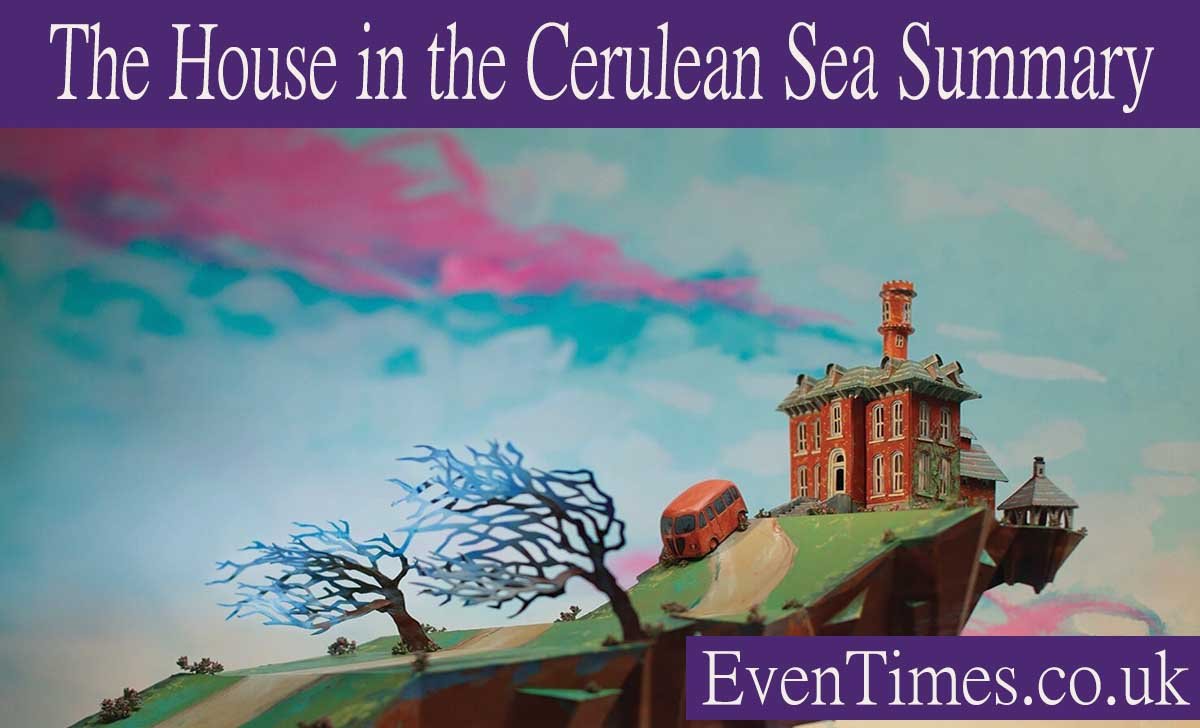
Marsyas Island isn’t just a place; it’s a symbol. It’s a colorful, magical world surrounded by the bright blue “Cerulean Sea.” On the island, love and acceptance bloom.
The island contrasts the dull, gray city Linus comes from. In the city, everything is controlled by laws and fear of the unknown. But on the island, differences are celebrated. It’s a haven for those who have been rejected by the world.
This setting makes readers feel calm and hopeful. It reminds us that the world can be kind—if we choose to see it that way.
6. Themes of Acceptance and Belonging
One of the strongest themes in The House in the Cerulean Sea is acceptance. The book gently challenges prejudice and shows that people fear what they don’t understand.
The magical children represent anyone society labels as “different.” Through Linus’s journey, readers see how compassion can erase fear. The story encourages us to look beyond appearances and see the good in everyone.
Belonging is another key theme. Every character is searching for a place where they’re loved and accepted. By the end, Linus finds that home isn’t just a house—it’s the people who make you feel safe.
7. The Transformation of Linus Baker
At the beginning, Linus is afraid to break rules or question authority. But as he spends time with Arthur and the children, he learns that rules don’t always equal right.
He discovers joy, laughter, and love for the first time in years. The children teach him to see the world in color again. By the end, Linus transforms from a quiet bureaucrat into a brave, loving man who stands up for what’s right—even if it means leaving his old life behind.
His journey is inspiring because it mirrors what many of us feel: the courage it takes to live honestly and choose kindness.
8. Why the Title “The House in the Cerulean Sea” Matters
The title isn’t just poetic—it holds deep meaning. The “house” represents a place of love and safety. The “cerulean sea” symbolizes peace, acceptance, and freedom. Together, they capture the essence of the story: finding a home in a world that once rejected you.
The bright blue sea also reflects Linus’s emotional awakening. When he first arrives, he sees the sea as strange and foreign. But as he grows, it becomes a symbol of serenity and possibility. By the end, the sea mirrors the happiness he finds within himself.
9. Writing Style and Tone
TJ Klune’s writing is warm, witty, and full of heart. His sentences are simple yet powerful. He uses humor and tenderness to explore serious issues like discrimination, fear, and identity.
The tone of the book is hopeful and kind. It feels like being wrapped in a cozy blanket on a rainy day. That’s why readers often describe The House in the Cerulean Sea as “comfort fiction.” It heals your heart while making you laugh and think deeply about the world.
10. Lessons We Can Learn from the Story
Here are some of the most beautiful lessons this story teaches:
- Kindness changes lives. Even small acts of compassion can make a big difference.
- Family is chosen, not given. The people who love and accept you are your true family.
- Be brave enough to question rules. Not all rules are right; sometimes they protect injustice.
- Everyone deserves love. No one should be judged by what they are but by who they are.
- You can change at any age. Linus’s story proves it’s never too late to follow your heart.
These lessons make the book more than a fantasy—it’s a guide to living with love and empathy.
11. The House in the Cerulean Sea Summary: Ending Explained
In the final chapters, Linus must report his findings to DICOMY. He faces a choice: return to his safe, gray life, or stay with Arthur and the children he now loves.
In a moving conclusion, Linus chooses love over fear. He exposes the corruption in the system and stands up for the children. His bravery costs him his job but earns him something far greater—a family and a purpose.
The story ends with Linus finding peace on the island, surrounded by laughter and the sparkling Cerulean Sea. It’s a hopeful ending that reminds us the world can be kind if we choose it to be.
12. Why Readers Love This Story So Much
Readers of all ages adore The House in the Cerulean Sea because it feels like a warm hug. It reminds us that kindness still matters and that love can change even the coldest hearts.
People connect with Linus’s loneliness and celebrate his growth. The magical children bring joy, humor, and innocence that light up every page. The mix of fantasy and real-world lessons makes it unforgettable.
Many readers also appreciate how the book promotes LGBTQ+ representation naturally, without forcing it. It’s a love story that celebrates all kinds of people.
13. Author Insight: TJ Klune’s Inspiration
TJ Klune has said that The House in the Cerulean Sea was inspired by the fight for equality and the importance of inclusion. He wanted to write a story that felt safe, gentle, and healing.
In interviews, he describes it as “a story about hope and home.” His background in fantasy and his deep understanding of human emotion make this book so special. It’s a story built on empathy, and that’s what gives it universal appeal.
14. Similar Books You Might Enjoy
If you loved The House in the Cerulean Sea, here are other books that carry a similar heartwarming tone:
- Under the Whispering Door by TJ Klune
- The Midnight Library by Matt Haig
- Good Omens by Neil Gaiman and Terry Pratchett
- A Man Called Ove by Fredrik Backman
- The Extraordinary Adventures of the Ordinary Boy by William Boniface
Each of these books blends humor, kindness, and life lessons that touch your soul.
15. Final Thoughts on The House in the Cerulean Sea
In the end, The House in the Cerulean Sea is more than just a fantasy novel—it’s a celebration of humanity. It teaches us to look beyond labels, open our hearts, and stand up for love and acceptance.
Through Linus’s transformation, we see how even one person can change the world through kindness. The story reminds us that magic exists—not just in spells or dragons—but in compassion, courage, and connection.
That’s what makes The House in the Cerulean Sea timeless and unforgettable.
FAQs
1. What is The House in the Cerulean Sea mainly about?
It’s about Linus Baker, a lonely caseworker who visits a magical orphanage and learns about love, acceptance, and the meaning of family.
2. Who are the magical children in the story?
They include Lucy (the Antichrist), Talia (gnome), Phee (sprite), Sal (were-dog), Theodore (wyvern), and Chauncey (blob-like dreamer).
3. What is the main theme of The House in the Cerulean Sea?
The story explores kindness, prejudice, belonging, and self-discovery. It encourages readers to see the good in everyone.
4. Is The House in the Cerulean Sea part of a series?
No, it’s a standalone novel. However, TJ Klune has written other books with similar warmth and magical realism.
5. Is there romance in the book?
Yes, there’s a gentle, heartfelt romance between Linus and Arthur. It’s subtle but very moving.
6. Why is the book so popular?
Because it feels like a comforting hug—it’s full of love, laughter, and hope. It inspires people to be kinder and more accepting.
Conclusion
The House in the Cerulean Sea isn’t just a summary of magical events—it’s a journey of the soul. It teaches us that love can bloom anywhere, even in the most unexpected places.
If you ever feel lonely or out of place, this story will remind you that you’re not alone. There’s always a home waiting for you, and it might be right across the Cerulean Sea.
So take a deep breath, open this book, and let its magic warm your heart.
