
Contents
Introduction
When most people think of food in Southeast Asia, their minds jump straight to Thailand or Vietnam. Everyone knows Pad Thai and Pho. But hidden right between these culinary giants is a country with food that is just as bold, spicy, and delicious. We are talking about Laos. If you have never tried cuisine Laos before, you are in for a massive treat. It is a style of cooking that loves fresh herbs, sticky rice, and flavors that punch you in the face with zest and spice.
I remember the first time I sat down at a small plastic table in Vientiane. The smell of grilling meat and fermentation was in the air. I didn’t know what to expect. One bite of Laap, and I was hooked forever. The food felt alive. It wasn’t just spicy; it was complex. It was sour, salty, bitter, and sweet all at once.
In this guide, we are going to take a deep dive into the incredible world of Lao food. We will look at the history, the must-try dishes, and the unique ingredients that make this food culture so special. By the end, you will be ready to book a ticket to Luang Prabang or at least find the nearest Lao restaurant in your city. Let’s dig in.
What Makes Lao Food Unique?
You might be wondering what makes cuisine Laos different from Thai food. While they share some similarities, Lao food is very distinct. The biggest difference is the rice. In Laos, they don’t just eat steamed jasmine rice. They eat Khao Niew, or sticky rice. It is the heart and soul of the meal. In fact, Lao people call themselves “Luk Khao Niew,” which means “children of sticky rice.”
Another key difference is the flavor profile. Lao food tends to be drier and spicier than its neighbors. They use a lot of fresh vegetables and herbs on the side of every dish. You will see plates piled high with mint, cilantro, cucumbers, and long beans. This freshness balances out the heavy, funky flavors of their sauces.
The “funk” is also important. Lao chefs love to use Padaek. This is a thick, fermented fish sauce. It is much stronger than the clear fish sauce you might find in a Thai kitchen. Padaek adds a deep savory taste that defines cuisine Laos. It might smell strong at first, but it tastes amazing when mixed into a papaya salad or a spicy dip.
The Holy Trinity of Lao Eating
If you want to understand cuisine Laos, you need to know the basics. A typical meal is usually communal. Everyone sits on a mat on the floor or at a low table. Dishes are placed in the center, and you share everything. There are usually three main components that you will find at almost every meal.
First, there is the sticky rice. You eat this with your hands. You roll a small ball of rice, make a small indentation with your thumb, and use it to scoop up meat or dip into sauces. It is a fun and tactile way to eat. It makes you feel connected to the food.
Second, there is the Jeow. This is a variety of spicy dipping sauces. They are made from roasted chilies, garlic, eggplant, or tomatoes. You dip your sticky rice or vegetables into the Jeow. It adds heat and flavor to every bite.
Third, there is usually a soup or a meat dish. This could be grilled chicken, a sour fish soup, or a minced meat salad. The combination of the chewy rice, the spicy dip, and the savory meat creates a perfect balance. It is simple, rustic, and incredibly satisfying.
Sticky Rice: The Heart of the Nation
We cannot talk about cuisine Laos without talking more about sticky rice. It is not just a side dish; it is the main event. In Laos, people eat more sticky rice per person than anywhere else in the world. It is served in small bamboo baskets called Thip Khao. These baskets keep the rice warm and keep it from getting soggy.
Cooking sticky rice is an art. You have to soak the grains for several hours, usually overnight. Then, you steam it in a bamboo cone over a pot of boiling water. You never boil sticky rice directly in water like you would with jasmine rice. Steaming gives it that perfect chewy texture.
Eating it requires a bit of practice. If you grab it too hard, it sticks to your fingers. You have to be gentle. You pull off a chunk, knead it a little bit in your palm to make it firm, and then eat. It is chewy, slightly sweet, and very filling. It acts as a utensil, a palate cleanser, and a carb source all in one.
Laap: The National Dish of Laos
If there is one dish that represents cuisine Laos to the world, it is Laap (sometimes spelled Larb). Laap is a minced meat salad. It sounds simple, but the flavors are explosive. You can make it with chicken, pork, beef, duck, or even fish. The meat is chopped very finely by hand.
The magic comes from the mix-ins. The meat is tossed with lime juice, fish sauce, dried chili flakes, and a mountain of fresh herbs. Mint, cilantro, and green onions are standard. But the secret ingredient is Khao Kua, or toasted rice powder. This powder adds a nutty flavor and a crunchy texture that makes Laap unique.
There are two main types of Laap: cooked and raw. Visitors usually stick to the cooked version. But locals often love raw beef or fish Laap, which is similar to a tartare or ceviche. Whichever version you try, be prepared for some heat. Laap is meant to be spicy. It is usually served with fresh vegetables like cabbage and long beans to help cool down your mouth.
Tam Mak Hoong: Not Your Average Salad
You may have tried Som Tum at a Thai restaurant. Well, Tam Mak Hoong is the Lao version of green papaya salad. And let me tell you, the cuisine Laos version is intense. “Tam” means to pound, and that is exactly what they do. They shred green, unripe papaya and pound it in a mortar and pestle with chilies, garlic, lime, and tomatoes.
The key ingredient here is again, the fermented fish sauce, Padaek. This makes the salad darker, saltier, and much more savory than the sweet Thai version. They also often add small salted crabs for extra flavor. It is a dish that hits every taste bud: sour, spicy, salty, and savory.
Be careful when you order this. When a Lao person says “spicy,” they mean spicy. They might throw ten or more chilies into one salad. It can bring tears to your eyes, but it hurts so good. You eat it with sticky rice to soak up the delicious, fiery sauce left at the bottom of the plate.
Or Lam: A Stew from the North
If you travel to Luang Prabang in the north, you have to try Or Lam. This is a thick, herbal stew that is unlike anything else in cuisine Laos. It was originally a dish for royalty, but now everyone enjoys it. It is made with meat (usually dried buffalo skin or beef), eggplant, wood ear mushrooms, and long beans.
The flavor of Or Lam comes from a special ingredient called Mai Sakaan. This is a type of pepper wood. You chew on the wood to get a numbing, peppery taste, and then you spit the wood out. It sounds strange, but it adds a wonderful, tingly sensation to the stew.
The stew is thickened with sticky rice and flavored with herbs like dill and basil. It is earthy, smoky, and comforting. It is the perfect meal for a cool evening in the mountains. It shows a different, milder side of Lao cooking compared to the sharp lime and chili flavors of the south.
French Influence in Lao Kitchens
Laos was a French protectorate for many years, and you can still see that influence in the food today. The most obvious sign is the baguette. In Laos, they call it Khao Jee. You will see vendors on the street corners selling fresh, crusty baguettes early in the morning.
They make a sandwich called Khao Jee Pâté. It is very similar to a Vietnamese Banh Mi. They slice the baguette open and fill it with liver pâté, pork floss, sliced ham, pickled carrots, papaya, and plenty of chili sauce and cilantro. It is the ultimate fusion food. The bread is French, but the fillings are 100% Lao.
You can also find French-style coffee and pastries in the cafes of Vientiane and Luang Prabang. It is a unique experience to sit in a tropical Asian city, eating a croissant and drinking strong Lao coffee sweetened with condensed milk. It is a delicious reminder of the country’s complex history.
Mok Pa: Steamed Fish Perfection
Another classic dish in cuisine Laos is Mok Pa. This is fish steamed in banana leaves. It is a very gentle and aromatic way to cook fish. They take fresh river fish and mix it with herbs, spices, and sticky rice powder. The mixture usually includes lemongrass, kaffir lime leaves, dill, and chilies.
They wrap the fish mixture tightly in banana leaves and steam it over charcoal or a stove. The banana leaf keeps the moisture inside, so the fish comes out incredibly tender. It almost melts in your mouth. The herbs infuse the fish with a fresh, grassy flavor.
Mok Pa is not usually very spicy. It is more about the fragrance of the herbs. It is a great dish to order if you need a break from the fiery chili heat of other Lao dishes. It is healthy, light, and very tasty. It represents the reliance on fresh river ingredients that is common in landlocked Laos.
Khao Poon: The Celebration Soup
When there is a wedding, a festival, or a family gathering, you will likely find Khao Poon. This is a traditional rice vermicelli soup. It is a staple of cuisine Laos for special occasions. The soup starts with a rich broth made from pounded fish or chicken, mixed with red curry paste and coconut milk.
They pour this spicy, creamy broth over soft rice noodles. Then comes the fun part: the toppings. You garnish your bowl with shredded cabbage, banana flower, bean sprouts, mint, and dried chilies. You can customize it exactly how you like it.
There are different versions of Khao Poon. Some use coconut milk, and some do not. Some are made with pork blood jelly. But they are all comforting and delicious. It is a dish that brings people together. Slurping a bowl of spicy noodle soup is the perfect way to celebrate with friends and family.
Jeow Bong: The Spicy Relish
We mentioned Jeow earlier, but Jeow Bong deserves its own section. This is a specialty of Luang Prabang. It is a sweet and spicy chili paste. Think of it as a Lao jam, but spicy and savory. It is made with sun-dried chilies, galangal (a root similar to ginger), garlic, and fish sauce.
The secret ingredient in traditional Jeow Bong is dried water buffalo skin. They fry the skin until it puffs up and then pound it into the paste. It adds a chewy texture and a smoky flavor. Don’t worry if that sounds too exotic; you can find versions without the skin too.
You eat Jeow Bong with balls of sticky rice or steamed vegetables. It also keeps for a long time, so it is a popular souvenir for tourists to take home. Just a small spoonful adds a huge kick of flavor to any meal. It perfectly captures the bold spirit of cuisine Laos.
Vegetarian Options in Laos
You might think that with all the fish sauce and meat, cuisine Laos is hard for vegetarians. But actually, it is quite easy to eat plant-based here. Because fresh vegetables and tofu are so common, you can modify many dishes.
You can order vegetable Laap made with tofu or mushrooms instead of meat. You can get papaya salad without the fish sauce (just ask for soy sauce). There are wonderful stir-fried vegetable dishes with morning glory or kale. And of course, sticky rice is always vegan.
Many monks in Laos eat vegetarian food, so local cooks understand the concept. Just be clear about “no fish sauce” and “no shrimp paste.” The abundance of fresh herbs and spices means your vegetarian meal will never be boring or bland. It will still be full of zest and life.
Street Food Culture
The best place to experience cuisine Laos is on the street. The night markets in Vientiane and Luang Prabang are legendary. As the sun goes down, the streets fill with smoke from charcoal grills. It is a sensory overload in the best way possible.
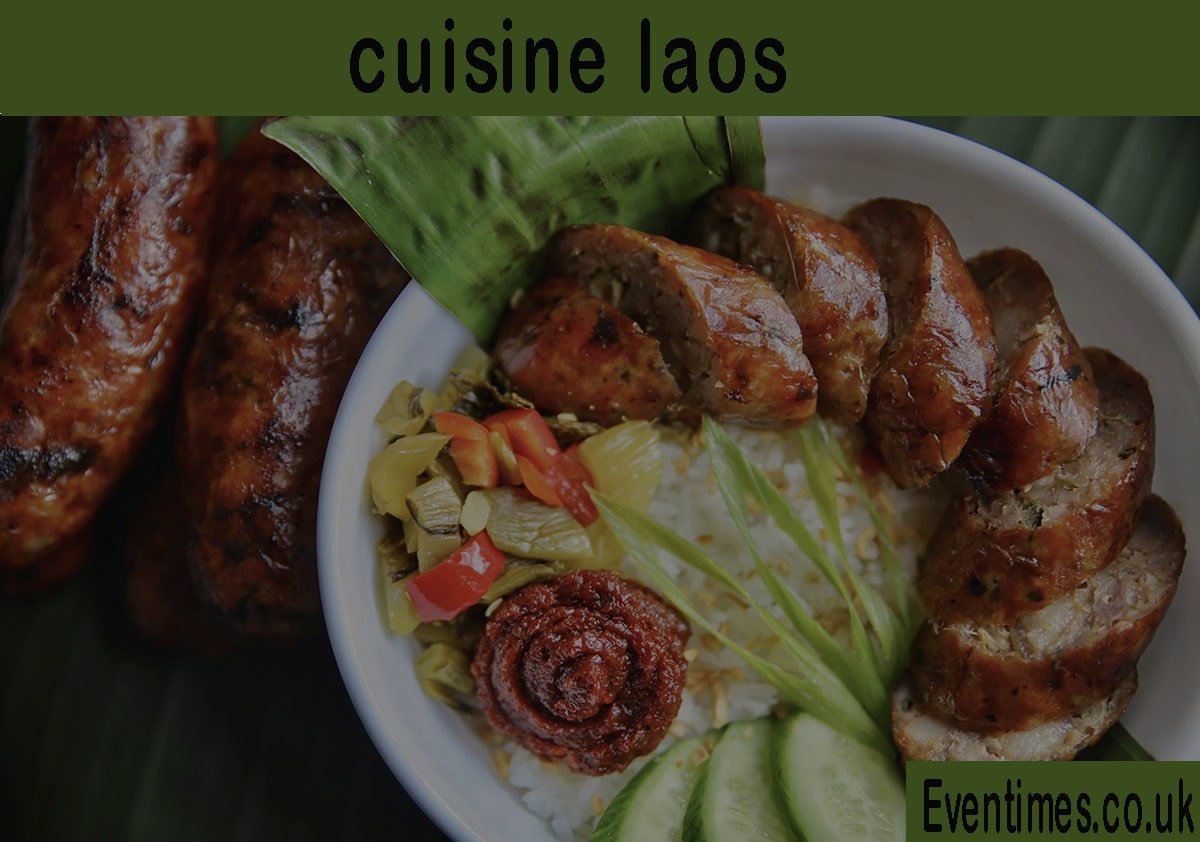
You will see rows of grilled fish covered in salt. You will see skewers of pork and chicken wings. You will see sausages hanging from strings. One famous sausage is Sai Oua, a spicy herbal pork sausage that bursts with flavor.
Don’t be afraid to try things. Street food is very cheap and usually freshly cooked right in front of you. You can grab a bag of sticky rice and a few skewers for just a couple of dollars. It is a casual, fun, and delicious way to eat dinner. It is where the real heart of Lao culture lives.
The Future of Lao Cuisine
For a long time, cuisine Laos was overshadowed by its neighbors. But that is changing. Chefs around the world are starting to recognize the unique flavors of Laos. There are now high-end Lao restaurants in cities like New York and Bangkok. People are realizing that this food is world-class.
Even within Laos, young chefs are rediscovering their heritage. They are taking traditional recipes and presenting them in modern ways. They are proud of their ingredients, from the river fish to the wild jungle herbs.
This food culture is resilient. It has survived wars and hardship. It is a cuisine of survival, but also of joy. It uses what the land provides to create something beautiful. As more travelers discover Laos, the secret of its amazing food is finally getting out.
Why You Need to Try It Now
If you are a food lover, you owe it to yourself to try cuisine Laos. It will challenge your palate. It will introduce you to new flavors and textures. It is food that is not afraid to be bold. It is not trying to be polite; it is trying to be delicious.
Whether you are sitting on a small stool in a night market or in a nice restaurant in the capital, the experience is the same. It is about sharing. It is about fresh ingredients. It is about the joy of eating with your hands.
So next time you are planning a dinner out or a trip to Asia, look for Laos. Do not skip over it. You might just find your new favorite food. The sticky rice is warm, the chilies are hot, and the welcome is always friendly.
Frequently Asked Questions
Is Lao food very spicy?
Yes, generally speaking, cuisine Laos is quite spicy. Locals love fresh chilies. However, if you are ordering in a restaurant, you can always ask for “little spicy” or “no spice.” They are used to adjusting the heat for visitors.
Do I need to use utensils?
For many dishes, especially sticky rice, you use your hands. It is the traditional way. However, for soups and salads, you will be given a spoon and fork. Chopsticks are mostly used for noodle soups like Pho or Khao Poon.
Is the street food safe to eat?
In general, yes. Look for stalls that are busy with local customers. This means the food is fresh and turning over quickly. Make sure hot food is cooked fresh in front of you. Avoid raw vegetables if you have a sensitive stomach, but cooked meats and soups are usually fine.
What is the main staple food in Laos?
Sticky rice is the main staple. It is eaten with almost every meal. It provides the energy for the day. Unlike other Asian countries that prefer steamed jasmine rice, Laos is truly the sticky rice nation.
Can I find vegetarian food easily?
Yes, there are plenty of vegetables and tofu in Lao cooking. You just need to be careful about fish sauce and shrimp paste, which are in many sauces. Learn the phrase for “vegetarian” or “no fish sauce” to be safe.
What drink goes well with Lao food?
The most famous drink is Beerlao. It is the national beer and is very refreshing. It goes perfectly with spicy food and grilled meats. If you don’t drink alcohol, fresh fruit shakes made with mango, watermelon, or dragon fruit are delicious and help cool the heat.
