
Contents
Introduction
Have you ever seen a bright red wooden horse with a painted saddle and wondered where it came from? If you have traveled to Sweden or even just visited an IKEA, you have probably spotted one. This little statue is called a Dala horse.
It might look like a simple toy, but this carved figure is a huge part of Swedish culture. It represents strength, courage, and loyalty. For many people, owning one feels like having a small piece of Swedish history sitting right on their shelf.
In this guide, we are going to explore everything you need to know about these wooden treasures. We will look at how they are made, why they are so famous, and how you can tell if you have found a real one. Grab a cup of coffee (or fika, as the Swedes say) and let’s learn about the amazing history of the Dala horse.
What Exactly Is a Dala Horse?
A Dala horse is a traditional carved wooden statuette of a horse. It originates from the Swedish province of Dalarna. In the old days, the Dala horse was mostly used as a toy for children. Today, it has become a symbol of Sweden itself.
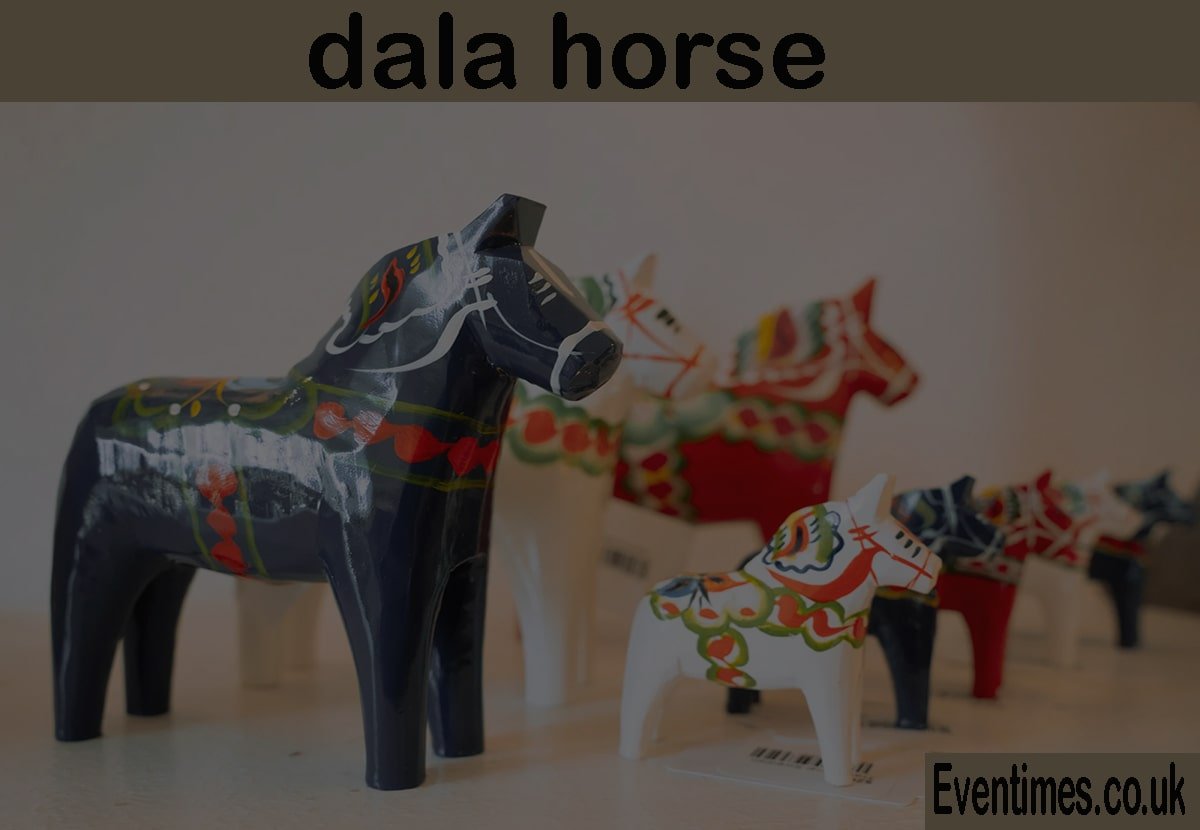
Most of the time, you will see them painted bright red. They usually have a harness and saddle painted in patterns of white, green, yellow, and blue. While red is the classic look, you can find them in many other colors now. Each one is unique because they are still painted by hand. No two horses are exactly the same.
The Humble Beginnings in the Forest
The story of the Dala horse begins hundreds of years ago. It started in the deep forests of central Sweden during the 17th century. Winters in Scandinavia are long, dark, and very cold.
Men worked in the forests logging timber. During the dark evenings in the log cabins, they needed something to pass the time. They sat by the fire and carved pieces of leftover wood.
Why did they choose a horse? The horse was incredibly valuable back then. It was a faithful friend to the worker. Horses pulled heavy logs and helped plowed the fields. They were strong and reliable. So, it made sense that the carvers honored their helpful friends by carving their likeness into wood.
From Simple Toy to Currency
At first, these wooden horses were just gifts. Fathers carved them for their children to play with. But soon, people realized these toys were special.
In the 19th century, times were tough in Sweden. Many people were poor. Families in the Dalarna region started making the Dala horse to trade for food. They would travel to other towns and swap a basket of horses for goods they needed.
This helped spread the popularity of the little wooden figures. What started as a way to pass time by the fire became a way for families to survive during hard winters.
The Big Break in New York
Even though the Dala horse was popular in Sweden, the rest of the world didn’t know much about it. That changed in 1939.
The World’s Fair was held in New York that year. Sweden wanted to show off something unique. They decided to place a giant, painted wooden horse outside their pavilion. It was huge!
Visitors loved it. They had never seen anything quite like the colorful, painted horse. Suddenly, everyone wanted one. After that event, the Dala horse became a famous souvenir known all over the globe.
How a Real Dala Horse Is Made
You might think machines make these horses today, but that isn’t true. The process is still very traditional. It takes a lot of skill and patience to make just one horse.
It starts with pine wood. The wood comes from the slow-growing forests around Lake Siljan. This wood is perfect because it is dense and strong.
First, the outline of the horse is stamped onto a block of wood. Then, machines cut the basic shape. But the rest is done by hand. Skilled carvers use knives to shave away the wood until the horse takes its final shape. This is why every Dala horse looks slightly different.
The Magic of the Dipping Process
Once the carving is done, the horse needs color. The horses are dipped into large buckets of primer paint.
This isn’t just one coat of paint. They are dipped, dried, and sanded down. Then they are dipped again. This happens several times. This process ensures the surface is smooth and the color is deep and rich.
The most common base color is Falun red. This color is famous in Sweden and mimics the color of the copper mines in the area. However, you can also find blue, black, and natural wood horses.
The Art of Kurbits Painting
The beautiful floral pattern you see on a Dala horse has a special name. It is called Kurbits.
Kurbits is an old style of decorative painting from the Dalarna region. It usually features fantasy flowers, leaves, and gourds.
Artists paint these details freehand. They do not use stencils. They use a brush that holds two colors at once to create a shaded effect. The artist works quickly and confidently. Watching them work is like watching magic. The harness, the mane, and the saddle appear in just a few strokes.
How to Spot an Authentic Horse
Because the Dala horse is so popular, there are many copies out there. Some are made of plastic or resin. Others are mass-produced in factories far away from Sweden.
If you want a real one, check the belly of the horse. Authentic horses from the main workshops usually have a sticker or a stamp.
The two most famous workshops are Nils Olsson and Grannas A. Olsson. They are both located in the village of Nusnäs. If your horse comes from there, you know it is the real deal. Also, a real one will feel like wood. It will have the scent of pine and the texture of hand-carved timber.
Why Horses and Not Moose?
Sweden has a lot of moose. In fact, many tourists go there just to see a moose. So why is the national symbol a horse?
As mentioned earlier, the horse was a worker. The moose was a wild animal. The bond between the farmer and the horse was personal. The horse was part of the family.
While you can buy carved wooden moose in Sweden today, they don’t have the same history. The Dala horse represents the connection between humans and domestic animals that helped build the country.
Visiting the Nusnäs Workshops
If you ever travel to Sweden, you should try to visit Nusnäs. It is a small village in Dalarna where the magic happens.
You can walk into the workshops and smell the fresh pine and paint. You can watch the carvers whittling away at the wood blocks. You can also stand behind the painters and watch them add the Kurbits designs.
It is a wonderful experience. Seeing the effort that goes into each Dala horse makes you appreciate them even more. You can even paint your own horse in some workshops!
Caring for Your Wooden Horse
If you are lucky enough to own a Dala horse, you want it to last. Since it is made of wood and paint, you need to be gentle.
Dust it regularly with a dry, soft cloth. Do not use wet rags or harsh cleaning sprays. The moisture can damage the wood or the paint.
Also, try to keep your horse out of direct sunlight. Strong sun can make that beautiful bright red paint fade over time. If you take care of it, your horse can last for generations.
A Symbol of Good Luck
Giving a Dala horse as a gift is a great idea. In Sweden, it is considered a symbol of good luck.
People give them as wedding gifts to wish the couple a strong and happy life. They are also popular gifts for graduations or new babies.
Because they come in so many sizes, you can find a tiny one for a shelf or a giant one for the floor. No matter the size, the meaning is the same. It is a wish for strength and happiness.
Modern Takes on a Classic
While the red horse is the classic, modern artists are having fun with the design. You can now find the Dala horse in trendy colors like pastel pink, matte black, or even silver.
Some designers change the pattern, too. Instead of traditional Kurbits, they might use modern geometric shapes or polka dots.
This keeps the tradition alive for younger generations. It shows that while the shape stays the same, the style can evolve. It proves that this old symbol can still fit into a modern home.
The Price of Craftsmanship
You might notice that a real Dala horse is not cheap. A medium-sized horse can cost quite a bit of money.
Remember, you are paying for human time and skill. A person carved that wood. Another person sanded it. Another person painted those flowers by hand.
You are not just buying a decoration. You are supporting a craft that has existed for hundreds of years. You are helping to keep a piece of history alive. That is worth the price tag.
Frequently Asked Questions
What does the Dala horse symbolize?
The Dala horse symbolizes strength, loyalty, wisdom, and courage. Historically, it honored the horse as a valuable and trusty helper for farm work and logging in Sweden.
Why are most Dala horses red?
They are red because of the copper mines in Falun, Sweden. The pigment from the mines created a paint called Falu Red. It was cheap, durable, and readily available, making it the standard color.
Can I buy a Dala horse that isn’t red?
Yes, absolutely! While red is the most traditional, you can find a Dala horse in blue, black, white, and natural wood. Each village in Dalarna historically had its own color style, too.
How can I tell if my horse is authentic?
Check the bottom of the horse. Authentic horses usually have a label from the Nusnäs workshops (Grannas A. Olsson or Nils Olsson). It should also feel like solid pine wood and look hand-painted.
Is the Dala horse only for tourists?
Not at all. While tourists love them, Swedish people cherish them too. You will find a Dala horse in almost every Swedish home. It is a proud symbol of their national heritage.
What is the painting style called?
The floral painting style is called Kurbits. It is a folk art style from the Dalarna region that features fantasy flowers and gourds painted with a special two-color brush technique.
Bringing a Piece of Sweden Home
The Dala horse is much more than a carved piece of pine. It is a story of survival, creativity, and national pride. From the dark winter nights in a log cabin to the shelves of homes around the world, this little horse has traveled far.
Whether you buy one for its history, its beauty, or just because it looks cute, you are keeping a tradition alive. It reminds us of a simpler time when people made their own fun with nothing but a knife and a piece of wood.
