
Contents
Introduction
When people think of Brazil’s agricultural power, coffee, sugarcane, and soybeans usually come to mind. These crops dominate the country’s farming headlines. But in Araxá, a city in Minas Gerais, a company named Sérya has been making significant strides in the frozen potato industry.
While Sérya may not be a household name outside of Brazil, its importance within the food industry has grown substantially. This was highlighted in 2019 when McCain Foods, one of the world’s largest frozen potato producers, acquired a 70 percent stake in the company. This move signaled just how valuable Sérya had become in the Brazilian market.
This article will explore who Sérya is, why a global giant like McCain chose to invest, and what this partnership means for Brazil’s burgeoning frozen potato industry. We will also touch on broader food trends, sustainability, and why local companies like Sérya are vital in a globalized food system.
Who Is Sérya? A Company Profile
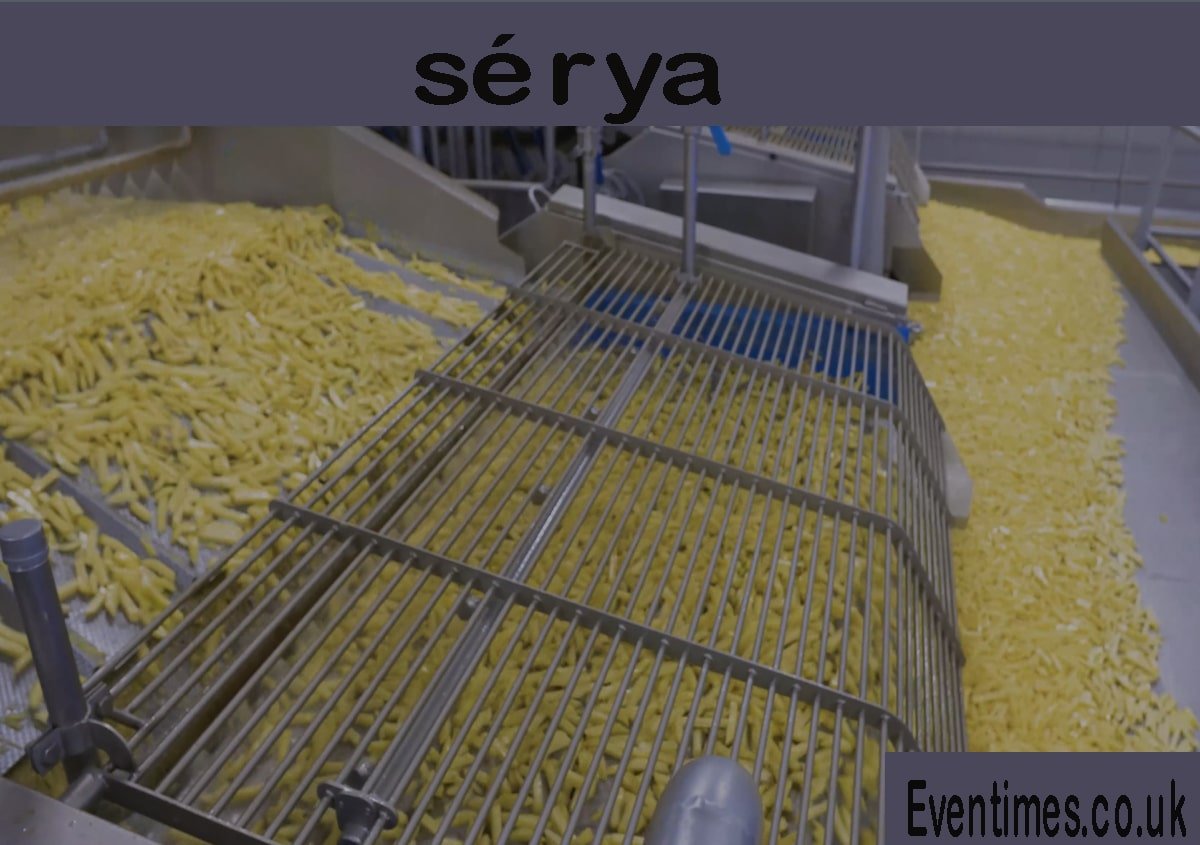
Sérya is a Brazilian company specializing in frozen potato products. Headquartered in Araxá, Minas Gerais, the company was established to meet the rising demand for convenient, ready-to-cook potato-based foods. Its primary focus is on pre-formed frozen items such as French fries, potato sticks, and croquettes. These products are particularly popular in the food service sector, supplying restaurants, fast-food chains, school cafeterias, and catering services.
A key factor that makes Sérya notable is its production capacity. At the time of McCain’s investment, Sérya could produce approximately 10,000 tons of frozen potato products annually. While this figure may seem modest compared to North American or European facilities, it gave Sérya a strong foothold in a market that was just beginning to expand.
The company’s rapid growth was also facilitated by its ties to Forno de Minas, a well-known Brazilian bakery famous for its pão de queijo (cheese bread). This connection provided Sérya with access to established distribution channels and valuable business expertise, helping it to scale quickly.
The McCain Acquisition: A Strategic Move
In May 2019, McCain Foods announced its acquisition of a 70% stake in Sérya. For the Canada-based global leader in frozen potato products, this was a strategic entry into the promising Brazilian market. Several factors made Brazil an attractive target for McCain:
- Growing Demand for Convenience: Urban Brazilian consumers were increasingly opting for quick, ready-to-cook meals, and frozen French fries fit perfectly into this trend.
- Expansion of Food Service: The rapid growth of fast-food chains and restaurants across Brazil created a high demand for standardized frozen potato products.
- Long-Term Market Potential: Although smaller than in North America or Europe, Brazil’s frozen potato market showed a steep growth trajectory.
By acquiring Sérya, McCain bypassed the need to build its operations from scratch. It gained a local player with existing production facilities, deep knowledge of the Brazilian market, and significant room for expansion. This move demonstrated McCain’s confidence in Brazil’s food industry, positioning them as an early leader in a developing market.
Production and Product Portfolio
Sérya’s product line is centered around convenient, frozen potato-based items. These include:
- French fries: The cornerstone product for the food service industry.
- Potato croquettes and sticks: Popular items in school meals, canteens, and as street food snacks.
- Other pre-formed items: Often customized to meet the specific needs of restaurants and institutional buyers.
Although it started with a 10,000-ton annual capacity, the facility in Araxá was built with expansion in mind. McCain’s involvement brought not only the financial resources for growth but also global expertise in scaling potato processing operations. The factory’s strategic location in Minas Gerais provides excellent access to distribution networks across southeastern Brazil, the country’s economic heartland.
The Brazilian Frozen Potato Market
To fully grasp Sérya’s significance, it’s essential to understand the context of Brazil’s frozen potato market. Unlike in Europe or North America where frozen fries are a household staple, Brazil’s adoption was slower. Traditionally, many restaurants made their fries from fresh potatoes. However, several factors have been driving a shift:
- Urbanization: A growing urban population has fueled the demand for fast food and quick-service restaurants.
- Standardization: Large food chains require consistency in taste, size, and cooking time, which frozen products deliver more reliably than fresh ones.
- Convenience: For smaller restaurants and households, frozen fries save labor, reduce prep time, and minimize waste.
- Rising Middle Class: Increased disposable income means more consumers are willing to pay for the convenience of ready-made foods.
McCain recognized these converging trends, identifying Brazil as a market poised for a major expansion in frozen potato consumption. Acquiring Sérya provided an ideal entry point to capitalize on this growth.
A Look at Operations and Sustainability
Potato farming and processing present environmental challenges, from water consumption to land management. Sustainability has become a critical issue for the industry. McCain has established a strong global commitment to sustainability, with goals focused on responsible potato sourcing, emission reduction, and investment in regenerative agriculture.
Through Sérya, these best practices can be adapted to the Brazilian agricultural landscape. Sérya’s location in Minas Gerais is advantageous, as the region supports a mix of agriculture and industry, with potatoes grown in nearby states. This proximity helps reduce the transportation footprint and fosters the development of local supply chains. There is a significant opportunity for Sérya, under McCain’s guidance, to collaborate with Brazilian farmers to improve crop yields, implement more efficient irrigation techniques, and minimize environmental impact—a growing expectation among modern consumers.
Charting the Path Forward
Sérya’s story is inspiring because it demonstrates how a local company can achieve strategic importance on a global scale. An operation in Araxá, while seemingly modest, captured the attention of one of the world’s largest frozen food companies. It’s a testament to how local businesses can thrive when they combine deep market knowledge with the backing of global expertise. For Brazil’s farmers, workers, and consumers, this partnership has the potential to bring investment, create jobs, and offer better food choices.
The challenge will be to strike a balance. When global giants acquire local companies, there is always a risk that the unique local identity can fade. Hopefully, Sérya will maintain its Brazilian roots as it continues to grow under McCain’s leadership. What started in Araxá is now a key part of a global strategy, reminding us how food connects local communities with international markets.
Frequently Asked Questions
1. What does Sérya produce?
Sérya specializes in frozen potato products, including French fries, potato croquettes, potato sticks, and other pre-formed items for the food service industry.
2. Where is Sérya located?
The company and its primary production facility are based in Araxá, a city in the state of Minas Gerais, Brazil.
3. Who owns Sérya?
McCain Foods, a global leader in frozen food, acquired a 70% controlling stake in Sérya in 2019.
4. Why did McCain invest in Sérya?
McCain invested in Sérya to gain an early and strategic foothold in Brazil’s rapidly growing frozen potato market and to expand its operational presence in Latin America.
5. What is Sérya’s production capacity?
At the time of the acquisition, Sérya’s annual production capacity was around 10,000 tons of frozen potato products, with significant potential for future expansion.
