
Bringing a kitten into an apartment is not a single event but a transition. The space does not simply receive an animal, it becomes the animal’s entire world. Every surface, sound, smell, and routine will be interpreted through instinct rather than logic. Preparation matters not because kittens are fragile, but because they are fast, curious, and unaware of risk. An apartment that feels ordinary to an adult human can be confusing or dangerous to a kitten during its first weeks.
This article approaches preparation as a process rather than a checklist. The goal is not perfection, but clarity, safety, and predictability. Each section focuses on how a kitten will encounter the apartment, not how the apartment looks to you.
Contents
The Apartment as a System, Not a Container
A kitten does not enter a home in the emotional sense people use the word. It enters a system of stimuli. Floors transmit temperature and texture. Walls carry sound. Air holds scent. Objects suggest movement, hiding, climbing, or chewing. Preparation begins with understanding that the apartment functions as a whole rather than as a set of rooms.
Kittens rely on instinctual mapping. They test boundaries quickly, often within minutes of leaving the carrier. They will look for shelter, height, warmth, and scent familiarity. If these elements are scattered or contradictory, the kitten may retreat, hide excessively, or develop stress behaviours early on.
Apartments amplify this effect because space is limited. There are fewer escape routes and fewer neutral zones. A sudden noise or unfamiliar smell has nowhere to dissipate. This makes early preparation more important in apartments than in larger houses.
The first seventy-two hours are critical. During this period, kittens form their initial understanding of safety. They learn where they can rest without interruption, where food appears reliably, and which sounds signal threat versus normal activity. An apartment that changes too much during this window can slow adjustment.
Preparation at this stage is less about adding objects and more about reducing contradictions. If a space invites exploration but punishes it with sudden noise or physical danger, the kitten learns caution rather than confidence. The aim is to create an environment where curiosity is rewarded with safety.
Floors, Corners, and the Ground-Level World
Most kitten interactions happen below knee height. This is where hazards often go unnoticed by adults. Preparation begins at floor level, moving outward and upward only after this layer is addressed.
Electrical cords are one of the most common risks. Kittens chew not out of hunger but exploration. Loose cables, chargers, and power strips should be secured against walls or enclosed. Cords that move when touched are particularly attractive. Even temporary charging setups should be reconsidered before the kitten arrives.
Rugs deserve attention beyond cleanliness. Loose threads, tassels, and frayed edges can be chewed or caught on claws. Small rugs that slide easily may frighten a kitten when they shift unexpectedly. If rugs are used, they should lie flat and remain stable under sudden movement.
Cleaning products often leave residues that kittens encounter with their mouths. Floor sprays, disinfectants, and scented cleaners should be chosen carefully and allowed to dissipate fully before the kitten arrives. A kitten will lick its paws after walking across treated surfaces.
Corners and gaps present another challenge. Spaces under kitchen cabinets, sofas, refrigerators, and washing machines may appear harmless but can trap a frightened kitten. Blocking these areas temporarily during the first weeks reduces the risk of hiding-related stress. As confidence grows, access can be gradually restored.
Shoes left on the floor, small objects dropped from pockets, and loose packaging materials should be removed. Kittens investigate with their mouths, and swallowing risks are highest in the early months.
The aim is not to eliminate texture or interest, but to remove items that react unpredictably to touch. A stable ground-level environment allows the kitten to explore without sudden negative feedback.
Vertical Space and the Illusion of Safety
Kittens are climbers long before they understand gravity. Vertical movement is not optional enrichment, it is a core behavioural need. Blocking all vertical access often leads to improvised climbing attempts on curtains, shelves, or furniture not designed for it.
Windows require special attention. Standard glass offers no visual barrier to a kitten. Open windows without screens are a serious fall risk, even at low heights. Tilt-and-turn windows common in UK apartments pose a specific danger, as kittens can become trapped while attempting to climb through narrow openings.
Balconies should be secured with netting or kept inaccessible during the early months. Even enclosed balconies may contain gaps or ledges that encourage risky exploration.
Curtains and blinds present a dual issue. They invite climbing and include cords that can entangle a kitten. Securing cords out of reach and choosing heavier fabrics that do not sway dramatically can reduce temptation.
Furniture stability matters more than height. Tall bookcases, shelving units, and wardrobes should be secured to walls. A kitten jumping from a sofa onto an unstable surface can cause tipping accidents.
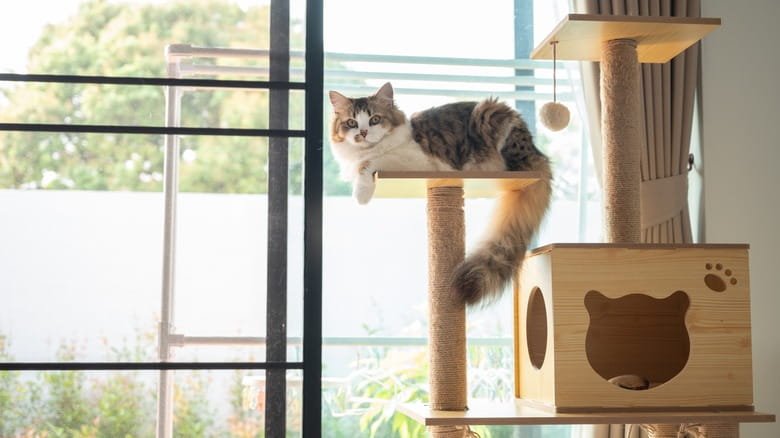
Rather than removing all vertical opportunities, it is better to provide controlled ones. A stable cat tree, wall-mounted shelves designed for pets, or a cleared bookcase section can redirect climbing instincts safely. When kittens have an obvious “yes” option, they are less likely to test dangerous “no” areas.
Vertical preparation is about guiding movement, not restricting it. A kitten that can climb safely will settle more quickly and display fewer stress behaviours.
Sound, Smell, and Invisible Stress Triggers
What humans consider background noise may feel threatening to a kitten. Sound preparation is often overlooked because it does not leave visible traces.
Appliances such as washing machines, dishwashers, and vacuum cleaners should be introduced gradually. Running these devices continuously during the kitten’s first days can overwhelm it. If possible, avoid loud cleaning during the initial adjustment period.
Door slams, intercoms, and sudden knocks can startle a kitten repeatedly. Soft-close mechanisms or simple behavioural changes, such as closing doors gently, help create a calmer baseline.
Smell plays an equally important role. Strong perfumes, incense, scented candles, and air fresheners can irritate a kitten’s sensitive nose. These scents also interfere with the kitten’s ability to map the space using its own scent markers.
Kitchen smells deserve particular attention. Food preparation creates strong odours that linger. While this is unavoidable, ensuring good ventilation and avoiding harsh cleaning chemicals helps maintain a neutral scent environment.
Litter box placement should be decided before the kitten arrives. The box should be accessible, quiet, and away from feeding areas. Moving it repeatedly during the first weeks can confuse the kitten and contribute to accidents.
Stress scents linger longer than people realise. If the apartment has hosted another animal recently, thorough cleaning may be necessary to remove residual markers. This is especially important if the previous animal was a cat.
A calm sensory environment allows the kitten to focus on exploration rather than self-protection. This foundation supports healthy behaviour long-term.
Creating the First Territory
A kitten does not need immediate access to the entire apartment. In fact, too much space can increase anxiety. A defined starter room allows the kitten to establish a sense of ownership before expanding outward.
The ideal starter room is quiet, well-lit, and used regularly but not constantly. A bedroom or study often works better than a kitchen or living room. The space should allow separation between sleeping, eating, and toileting areas.
Food and water should be placed away from the litter box. This mirrors natural instincts and reduces stress. Bowls should be stable and shallow to avoid whisker discomfort.
Sleeping areas should offer warmth and partial enclosure. A simple bed placed against a wall or inside a covered structure provides security. Avoid placing sleeping areas near noisy appliances or drafty windows.
Play items should be limited initially. Too many toys can overwhelm a kitten. A few simple objects rotated over time maintain interest without overstimulation.
Lighting matters more than people expect. Extremely bright or dim rooms can unsettle a kitten. Soft, consistent lighting helps establish normal day-night rhythms.
Once the kitten shows confidence in the starter room, access to additional areas can be introduced gradually. This expansion should follow the kitten’s curiosity rather than a fixed schedule.
The goal of the first territory is familiarity, not confinement. A kitten that feels secure in one room will explore the rest of the apartment with greater confidence.
Human Habits That Need Adjustment
Preparing the apartment is only part of the process. Human routines often require more adjustment than furniture placement.
Doors and appliances should be checked before closing. Kittens are silent and quick. Washing machines, tumble dryers, and ovens pose serious risks if left unattended.
Toilets should be kept closed. Curious kittens may fall in or attempt to drink from them. This habit benefits hygiene as well.
Shoes, bags, and coats left on the floor become hiding spots or chew targets. Establishing consistent storage habits reduces clutter-related risks.
Food leftovers should be cleared promptly. Human foods can be harmful to kittens, and open plates invite exploration. This includes surfaces where meals are eaten, whether at home or elsewhere, from kitchen counters to café-style setups that resemble restaurant tables.
Night routines matter. Sudden movement in the dark can startle a kitten. Keeping a small night light in the starter room helps the kitten navigate without panic.
Consistency in feeding times builds trust quickly. Irregular schedules can increase vocalisation and anxiety.
Training humans to move thoughtfully in shared space reduces accidents and builds a calmer relationship from the start.
Walking the Apartment at Kitten Height
One of the most effective preparation steps is a physical walkthrough at kitten height. Sitting or kneeling reveals hazards that are invisible from standing height.
Look for dangling cords, loose objects, and tempting gaps. Observe how shadows move as lights change. Notice how air flows near windows and doors.
Simulate the first night. Consider where the kitten will sleep, how it will reach the litter box, and what sounds may interrupt rest. Small adjustments at this stage prevent larger problems later.
Accept that some imperfections will remain. Over-preparation can remove opportunities for learning and adaptation. The aim is not to eliminate all risk but to remove unnecessary danger.
As the kitten grows, the apartment will evolve. New behaviours will appear, and preparation will continue in stages. Early groundwork makes these adjustments easier.
Letting the Apartment Grow With the Kitten
Preparation does not end when the kitten arrives. It continues as the animal develops physically and mentally.
Teething brings new chewing behaviours. Growth brings new jumping abilities. Confidence brings boundary testing. Each phase requires small adjustments rather than major overhauls.
Observe patterns rather than reacting to single incidents. A kitten that repeatedly targets one area is communicating a need, not misbehaving.
Allow the apartment to reflect shared life rather than rigid control. Scratches, fur, and rearranged routines are part of cohabitation.
A well-prepared apartment supports curiosity without fear. It allows the kitten to grow into the space naturally, learning where it belongs through experience rather than restriction.
When preparation is done thoughtfully, the apartment does not feel altered. It feels ready.
